Twenty years ago, Lugana was the wine you ordered with grilled lake fish at a small trattoria in Sirmione and forgot about by the time you got back to Milan. Today, half the wine bars in Berlin and London carry at least one bottle on the by-the-glass list. That trajectory — from regional house white to international export — has happened in roughly two decades, and most of the world hasn't caught up to what Lugana actually is. Single grape. Tiny appellation. Five distinct styles that look almost the same on the label. A few dozen producers, of whom a handful matter. This is a primer for the Sirmione visitor who has tasted it once with dinner and wants to understand what they were drinking.
What Lugana actually is
Lugana DOC was established in 1967, making it one of Italy's older white-wine appellations. Its production zone is small and slightly odd — a strip of land straddling the Lombardy/Veneto border immediately south of Sirmione, running through the communes of Desenzano, Lonato, Pozzolengo, Peschiera, and a sliver of Sirmione itself. About a thousand hectares are under vine, which is small by any global standard but enough to produce around twenty million bottles a year.
Soil here is the secret. Glacial moraine left behind when the last ice age retreated deposited a layer of heavy calcareous clay across this stretch — pale, almost grey when wet, and rich in calcium carbonate. The clay holds water through the dry summer and stresses the vines just enough to concentrate flavour without burning out the acidity. Combined with the lake's moderating influence — same effect that lets us grow olives — it makes for a wine with body, mineral edge, and an unusual capacity to age.
Turbiana, the grape
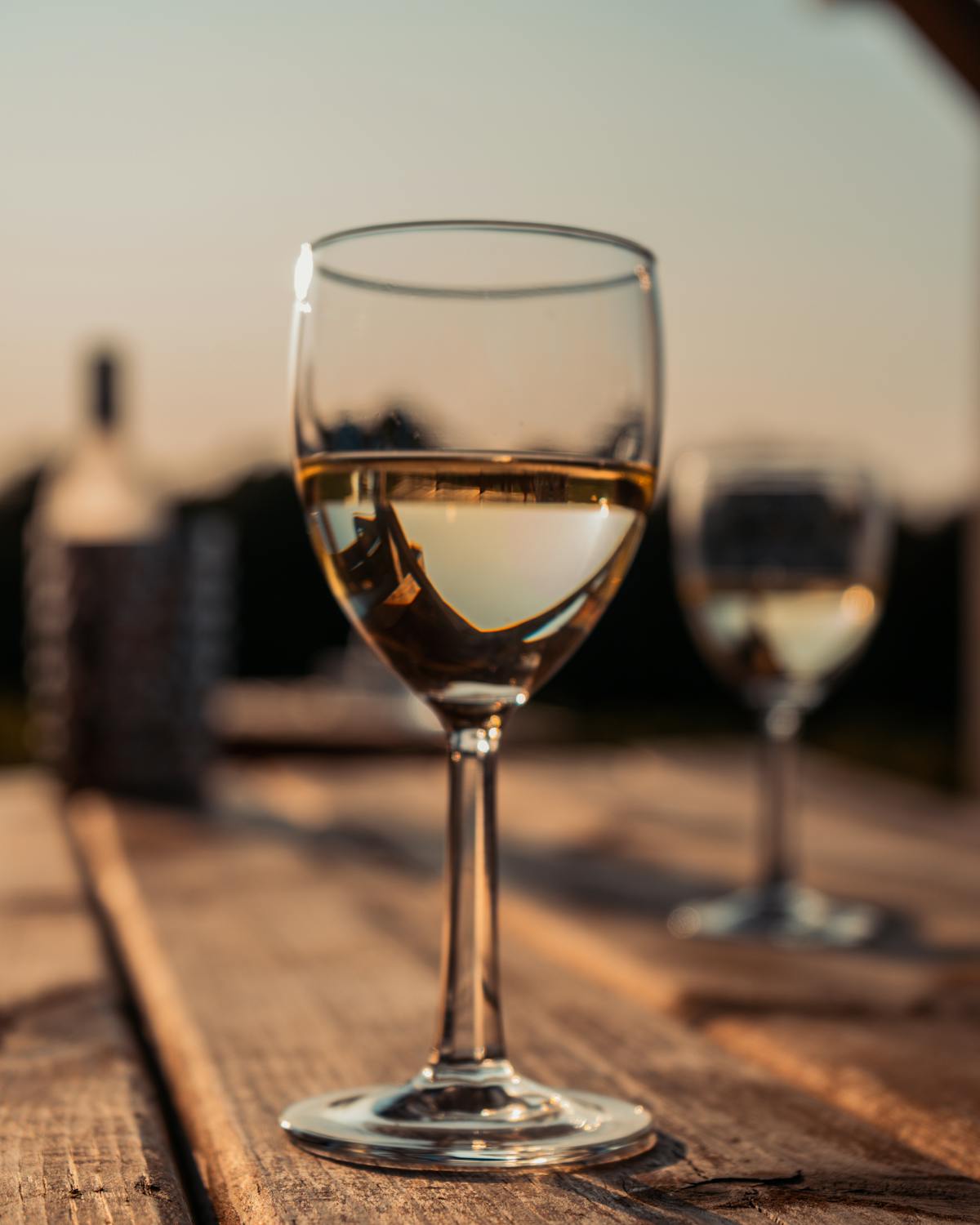
Lugana is a single-grape wine. By Italian law, that grape is called Turbiana. By DNA testing in the early 2000s, Turbiana turned out to be a clone of Trebbiano di Soave — which is itself, confusingly, a different grape from the better-known Trebbiano Toscano. None of this matters at the table. What matters is that Turbiana, vinified the way Lugana producers vinify it, gives a wine almost nobody else makes: medium-bodied, with citrus and white-flower aromatics, a saline-mineral mid-palate, and an almond bite at the finish.
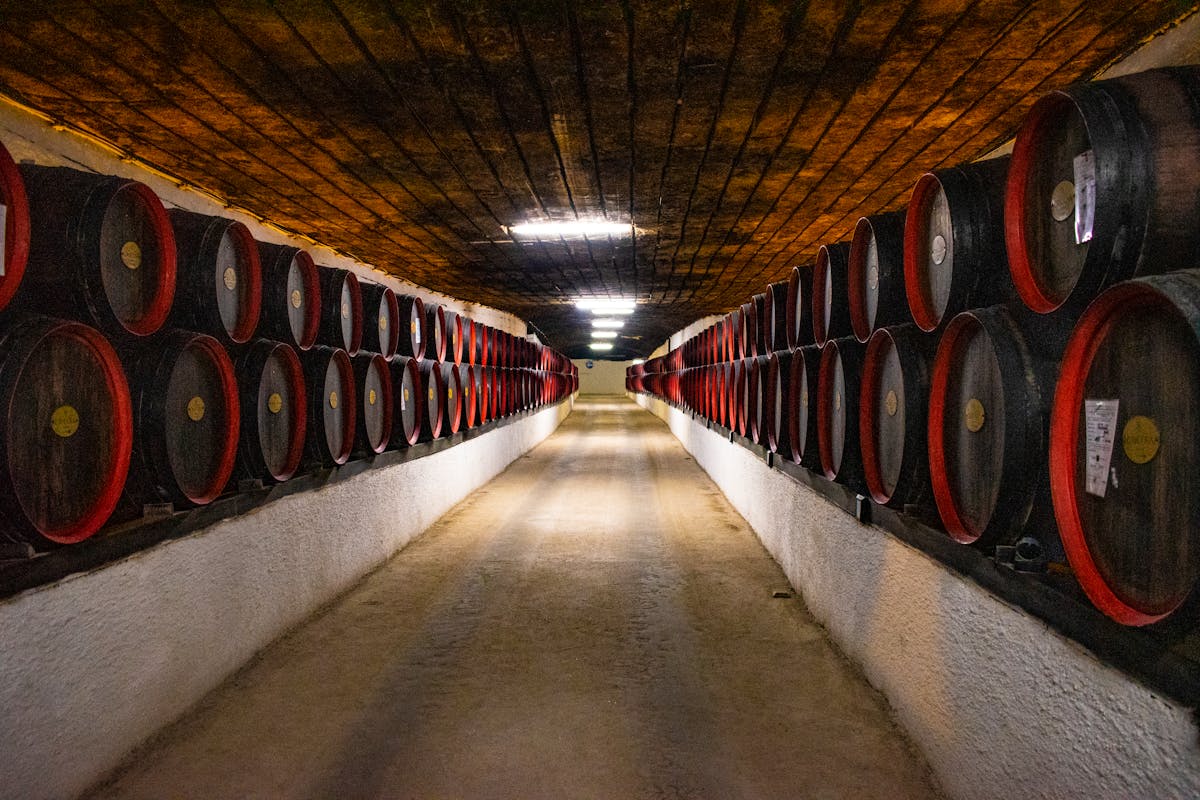
Young Lugana — the basic style — drinks fresh and lemon-zesty. Aged Lugana, the same grape from the same vineyards held in tank or barrel for a year or two longer, develops nutty depth and a honeyed weight that resembles a chablis and ages like one.
The five styles
Lugana DOC permits five legal styles, each with its own ageing requirement and character. Reading them off a wine list will save you a lot of guessing.
| Style | Ageing requirement | Price band | When to drink |
|---|---|---|---|
| Lugana | None — released the year after harvest | €10–18 | Aperitivo, light pasta, lake fish |
| Lugana Superiore | Min. 12 months from January | €16–28 | Risotto with fish, white asparagus, Parmesan-rich dishes |
| Lugana Riserva | Min. 24 months including 6 in bottle | €25–45 | Grilled fish, aged cheeses, complex pasta |
| Vendemmia Tardiva | Late harvest, off-dry | €20–35 | Foie gras, blue cheese, fruit tart |
| Spumante | Sparkling, traditional or charmat method | €14–25 | Aperitivo, oysters |
Most visitors will encounter the basic Lugana and the Superiore. The Riserva is harder to find on a list but worth ordering when it appears. Vendemmia Tardiva and Spumante are minority styles produced by a handful of houses; they're real but not central to what Lugana is about.
Producers worth knowing
A small group of houses define the modern face of Lugana. Six worth knowing by name:
- Ca' dei Frati — the international flagship; almost any wine bar abroad with a Lugana on the list has a Ca' dei Frati. Their basic Lugana is reliable; their I Frati bottling and the aged Brolettino are excellent.
- Zenato — large, high-quality, runs a bookable cellar tour at their Peschiera estate. A safe first visit.
- Ottella — family estate near San Benedetto di Lugana, my own go-to for value: their basic Lugana is in the €12 range and consistently outperforms its price.
- Cà Lojera — small, traditional, sometimes hard to find but the Riserva is one of the most distinctive bottles in the appellation.
- Tenuta Roveglia — Pozzolengo-side estate; their Vigne di Catullo is a benchmark Riserva.
- Selva Capuzza — Desenzano edge, also runs a small inn — useful if you want to combine a tasting with a long lunch.
Recent vintages
Recent vintages from 2020 onward have been broadly good, with one standout. 2020 was warm but balanced; 2021 made wines slightly leaner and more acidic — fresher style, drink younger. 2022 is the standout — warm summer but enough rain at the right moments to keep acidity, producing concentrated wines that will age well. 2023 was difficult (a wet, cool spring) and the wines are less consistent. 2024 looks promising but is too young to judge. If you're in a wine shop and unsure, take a 2022 Superiore.
Where and how to taste
Four cellars on the south shore are set up for visitors and worth booking ahead:
- Cantina Zenato in Peschiera del Garda — the most polished tasting experience, with a structured tour and a flight of four to six wines.
- Ca' dei Frati, on the Sirmione side at Lugana di Sirmione — the most famous name; tastings need booking a few days ahead in season.
- Selva Capuzza, Desenzano — combines tasting with the option of lunch at their on-site restaurant.
- Tenuta Roveglia, Pozzolengo — quieter, less commercial, more conversational with the family.
Cantine Aperte — the open-cellars weekend
The last weekend of May, every year, the regional consortium runs Cantine Aperte ("open cellars") — most Lugana houses open without appointment and pour for free or for a small symbolic charge. It's the busiest two days of the wine year on the south shore. Book accommodation in March if you want to come for it. The consortium site publishes the participants' list around mid-April. Bring a designated driver — most cellars are spaced two to five kilometres apart and you'll want to visit three or four.
The Strada del Vino del Garda — the wine route — links the cellars and the route itself is a good way to see the south-shore landscape if you have a half-day. For the broader question of the southern lake's slow food and producer culture, the olive oil primer covers the parallel story on the same hillsides. Decanter publishes Lugana vintage reports in English; Wine-Searcher is the easiest way to find a specific bottle abroad.
Lugana at the table
Lugana lives on a Garda table. The pairings that work best aren't accidental — they're the dishes the wine grew up with.
For a glass of basic Lugana: lake fish carpaccio, fried whitebait, a bowl of olives, a plate of cured speck. For Superiore: risotto with smoked trout, white asparagus with melted butter, a soft fresh-cheese salad. For Riserva: grilled coregone, a richer pasta with pumpkin and sage, an aged Bagòss cheese. The wine is always served at six to eight degrees — fridge-cold for a basic Lugana, slightly warmer for a Riserva so the bottle's complexity opens.
One small thing nobody tells you: a young Lugana, opened the day before, drinks better the second day. The slight oxidation knocks down the citrus edge and lets the mineral mid-palate come through. I'll often pour a glass on a Sunday evening from a bottle opened on Saturday lunch, and prefer the Sunday glass.
If you take one bottle home from a Sirmione visit, take a 2022 Lugana Superiore from a producer whose name you didn't know before reading this. Drink it at home in early summer, with a piece of grilled fish and a salad of green tomatoes and mozzarella. That's the wine that gets exported, and that's the wine you'll want to remember when you're back in your own kitchen and the lake is a thousand kilometres away.