Olive & Limestone

A logbook · Southern Lake Garda

Thermal hours and slow days on the southern shore.

Written from Padenghe sul Garda and Milano. Sirmione's hot springs, Lugana wine, the long Punta San Vigilio lunch, and what works when you actually live around the lake.

The southern shore of Lake Garda has been a quiet wellness destination for almost two thousand years. The Romans came for the Boiola spring at Sirmione. Catullus retreated to the peninsula to write love poems. The Visconti and Scaliger families built castles to watch over the lake's narrow southern basin. Today the same warm water still rises a few minutes off the headland, the same olive groves still cover the hills above Padenghe, and the same fishermen still bring whitefish into the markets at Desenzano in the early morning.

This is a logbook of those things. I keep notes on what's open in February, where the Lugana growers actually pour their wine in spring, which thermal centre is worth a day pass and which is worth a half-day, and how to get to Sirmione without a rental car. I write from a small house in Padenghe sul Garda that has been in my family since before the autostrada existed.

— Chiara Moretti

Bathing — thermal observations
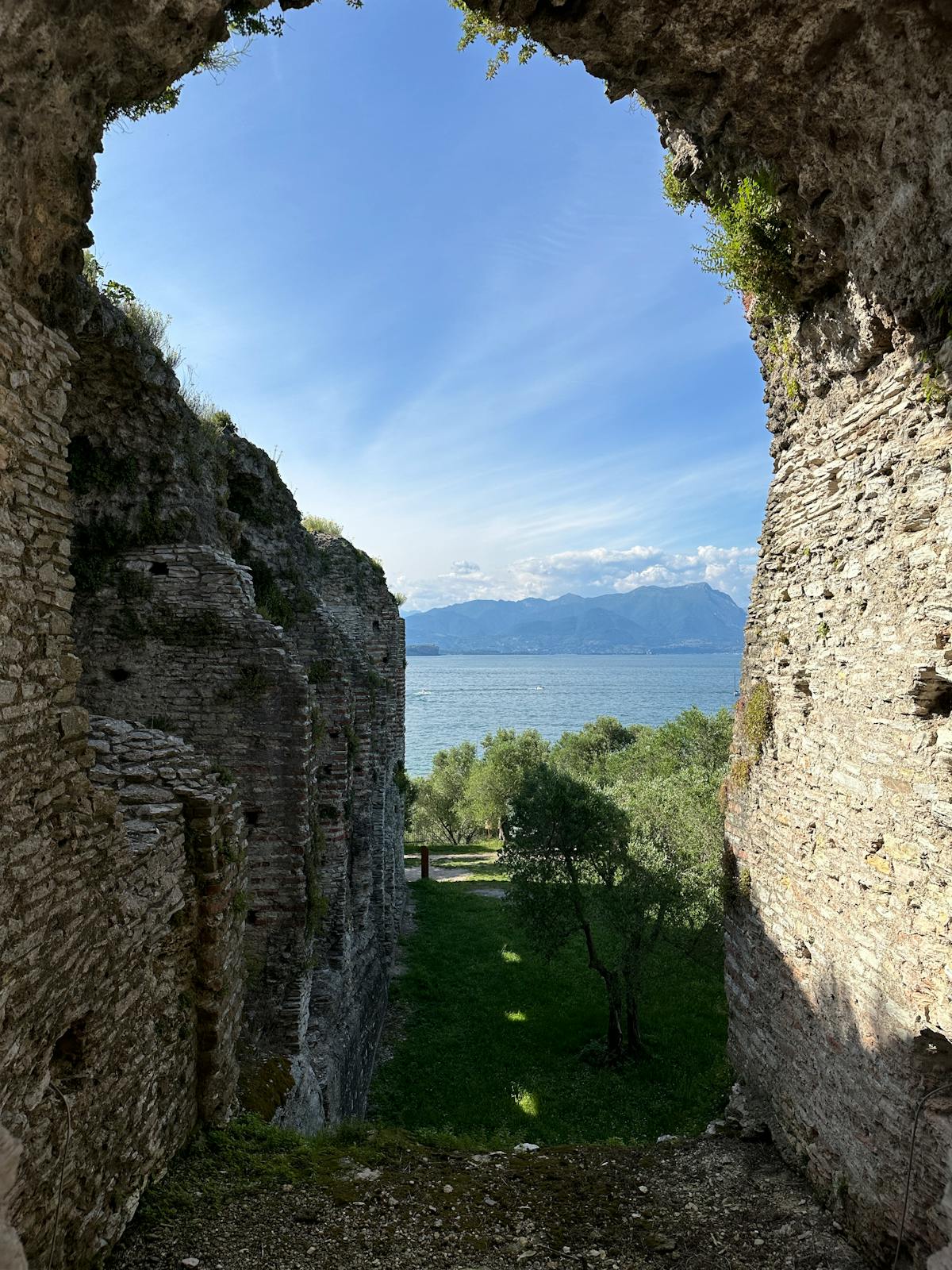
Stone ruins of the Roman-era Catullus Grottoes on Sirmione's peninsula above the lake

Bathing

Why southern Lake Garda has been a thermal destination since Rome

Catullus wrote love poems on this peninsula in the first century BC. The Romans built private bath complexes into the limestone. Two thousand years later we're still showing up for the same hot water — here's the longer story.
The Shore — places along the southern lake

The Shore

Lazise or Bardolino? Choosing the southeast corner

Two walled towns, eight kilometres apart, both on the eastern shore. Locals tend to have strong opinions about which one is better for what. Here's how I split them — and why you might not need to choose.

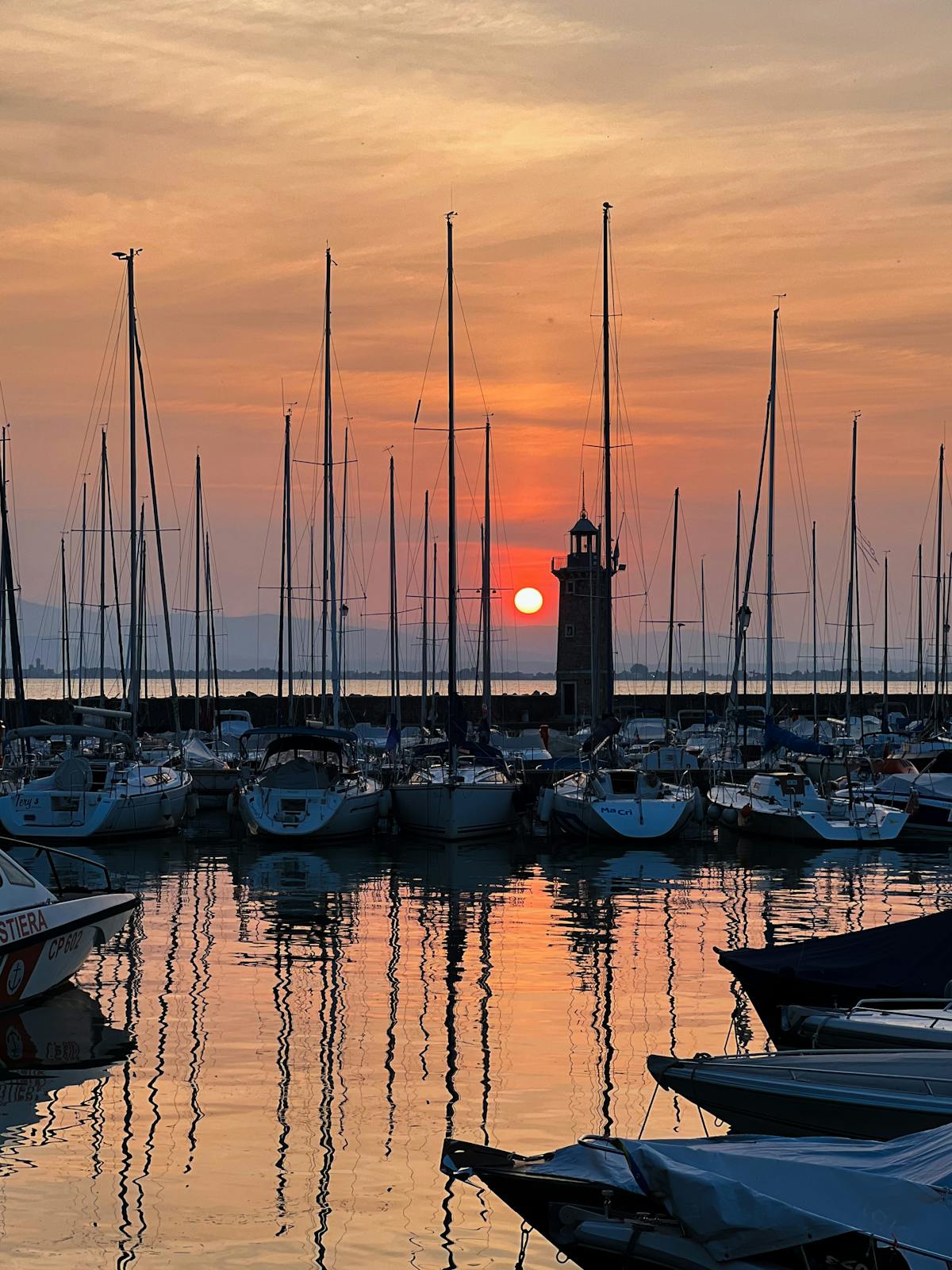
The old harbour of Desenzano del Garda at sunset with moored sailboats and the iconic lighthouse

The Shore

Desenzano del Garda in the off-season: the lake's southern hub

In August Desenzano feels like a cruise terminal that grew a town around it. In January it feels like a small Lombard city that happens to face a lake. The off-season is the better one — here's a slow morning's route through it.

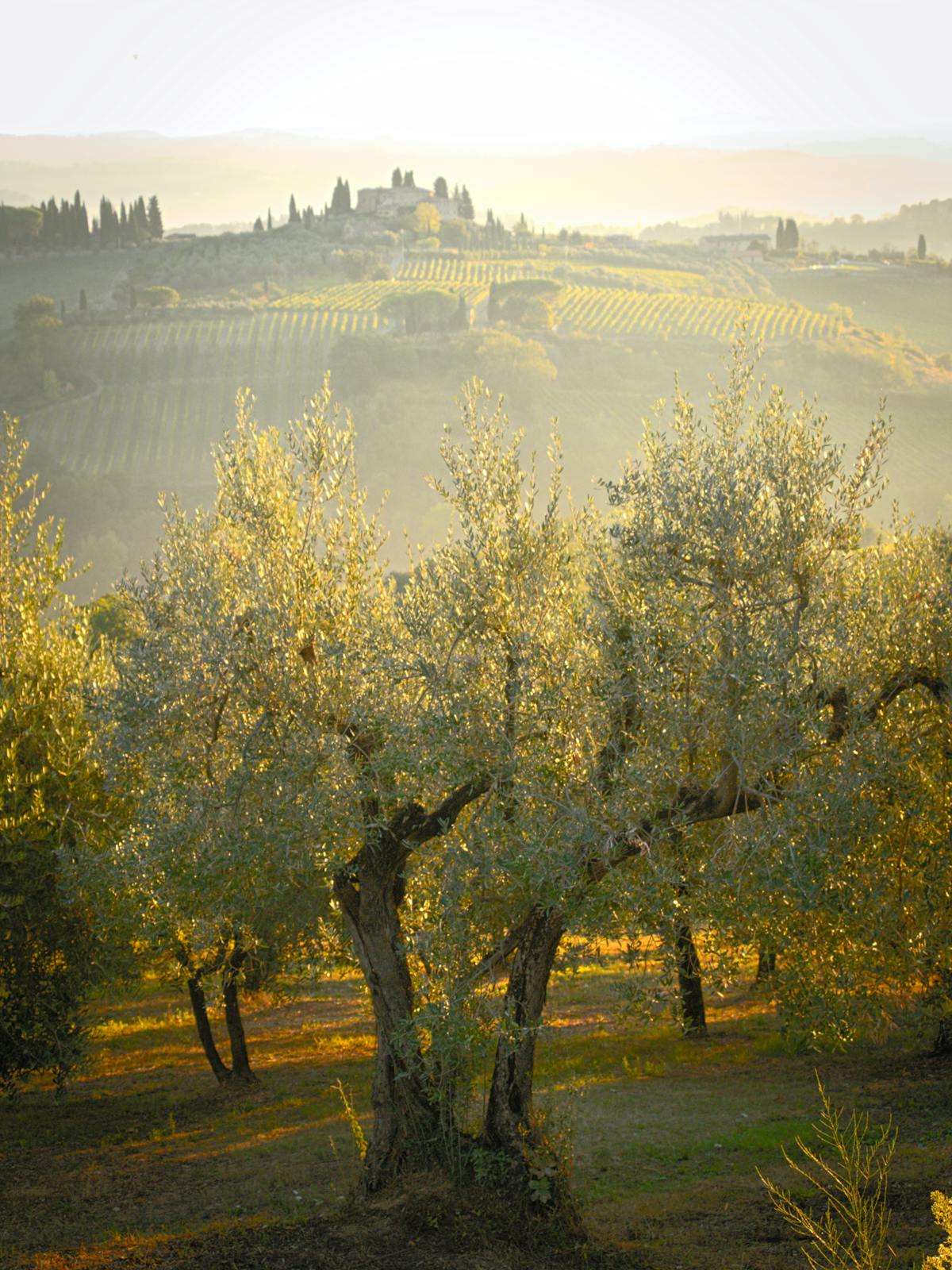
An olive grove on a hill above Padenghe sul Garda with the lake in the distance

The Shore

Padenghe sul Garda: a slow day among the olive groves

Padenghe is what people imagine when they say they want to slow down by Lake Garda. Two old churches, an even older castle, olive trees in every direction, and almost no day-trippers. A working day looks something like this.

The Scaligero Castle drawbridge entrance to Sirmione's medieval old town

The Shore

Walking Sirmione's old town: from the drawbridge to the grottoes

Sirmione's old town fits inside the walls of a thirteenth-century castle. The whole peninsula is about two kilometres long. You can walk it in forty minutes, or stretch it into a half-day — this is how I do the long version.


Slow Hours — wine, oil, and the long lunch

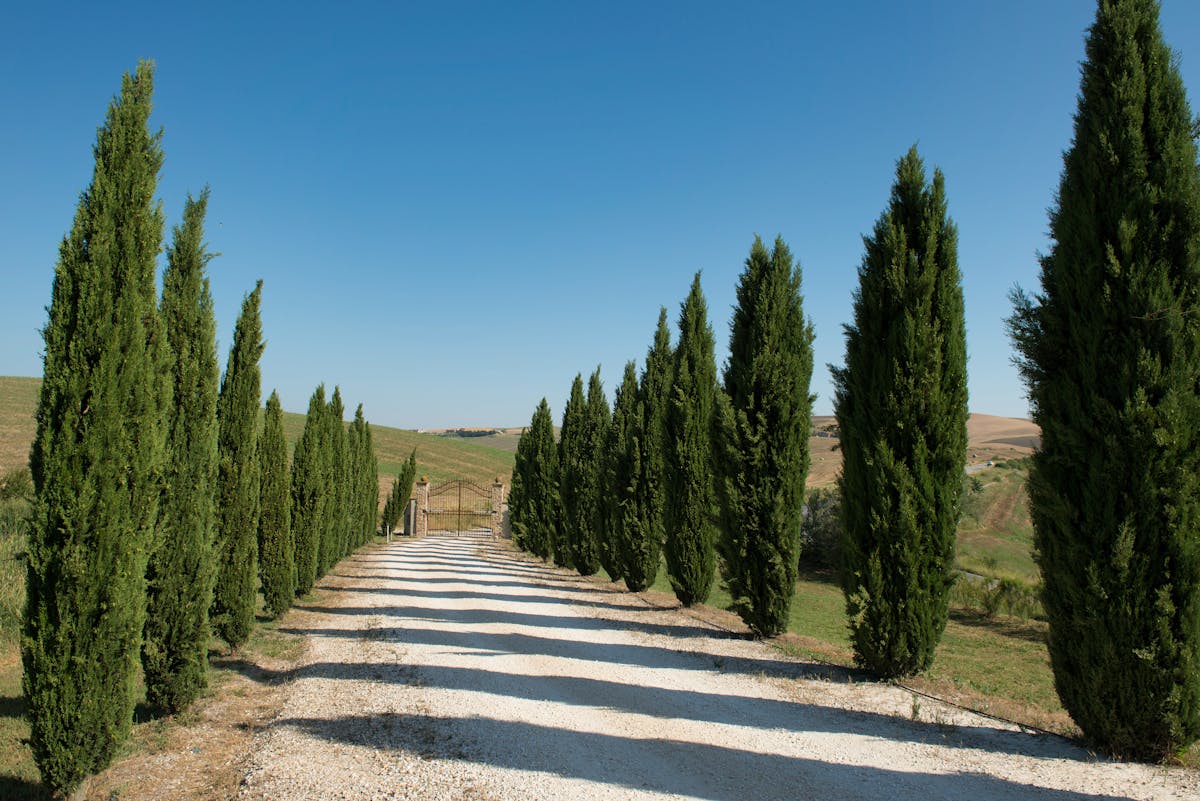
A cypress-lined avenue leading to the harbour at Punta San Vigilio on Lake Garda

Slow Hours

A long lunch at Punta San Vigilio: lake fish and the calm hour

Punta San Vigilio is a small wooded headland with one harbour, one cypress avenue, and one sixteenth-century villa. There's also a restaurant. A long lunch there is an afternoon's worth of an event — here's how to plan it.

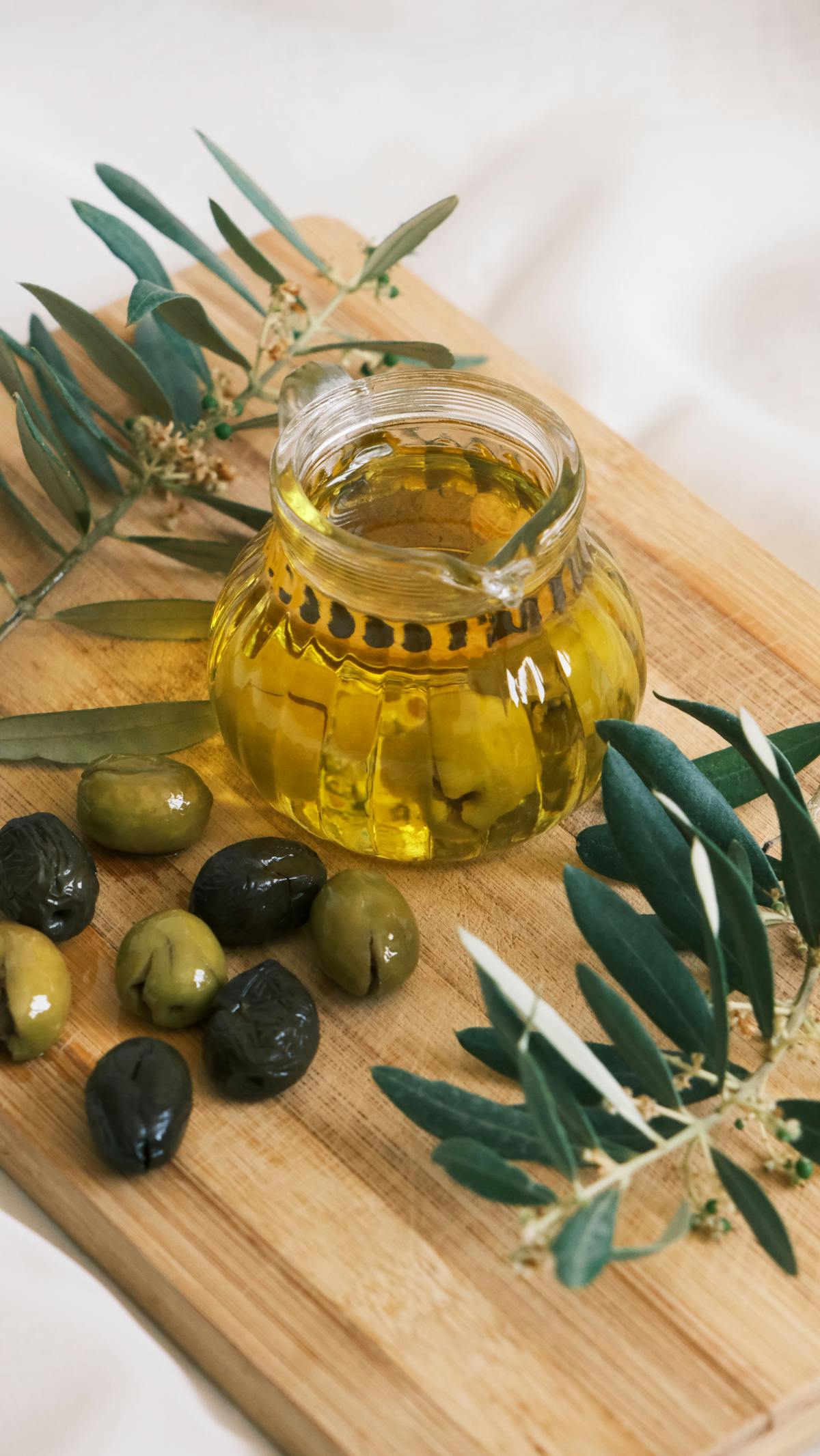
A bottle of pale green Lake Garda olive oil on a wooden table with olives beside it

Slow Hours

South Garda olive oil: a primer on the lake's coastal cultivars

Garda is the most northerly olive-growing region in the world. The southern shore has its own small DOP, its own cultivars — Casaliva, Leccino, Pendolino — and its own pressing season. A primer on what to taste and where.

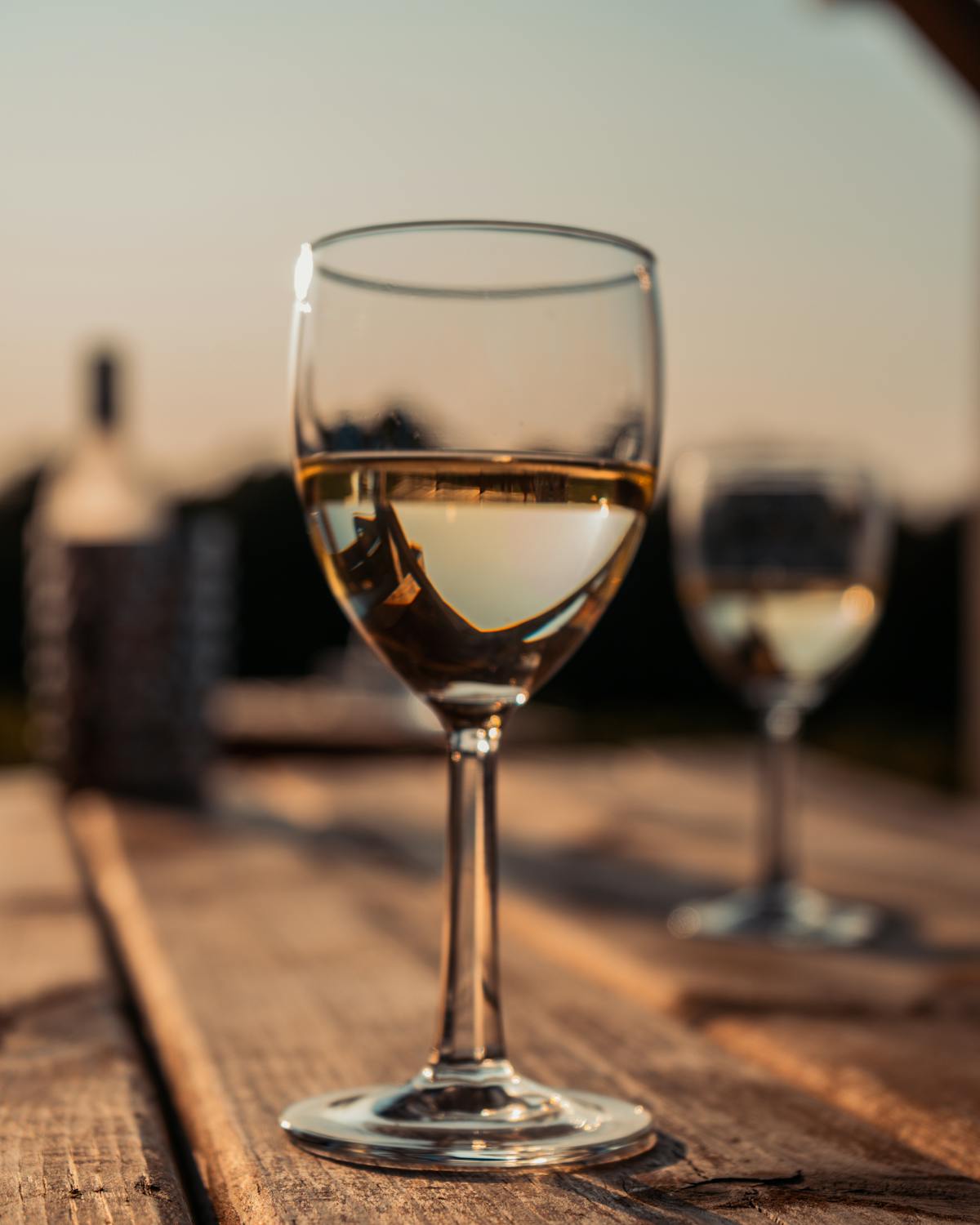
A glass of pale gold Lugana wine on a vineyard stone wall in late afternoon light

Slow Hours

Lugana DOC: the south Garda wine and where to taste it

Lugana is a single-grape white made from Turbiana on the calcareous clay just south of Sirmione. It used to be a regional secret. Now it's exported widely but the best bottles still come from a five-kilometre stretch I can walk in an hour.


Routes — getting around the southern shore

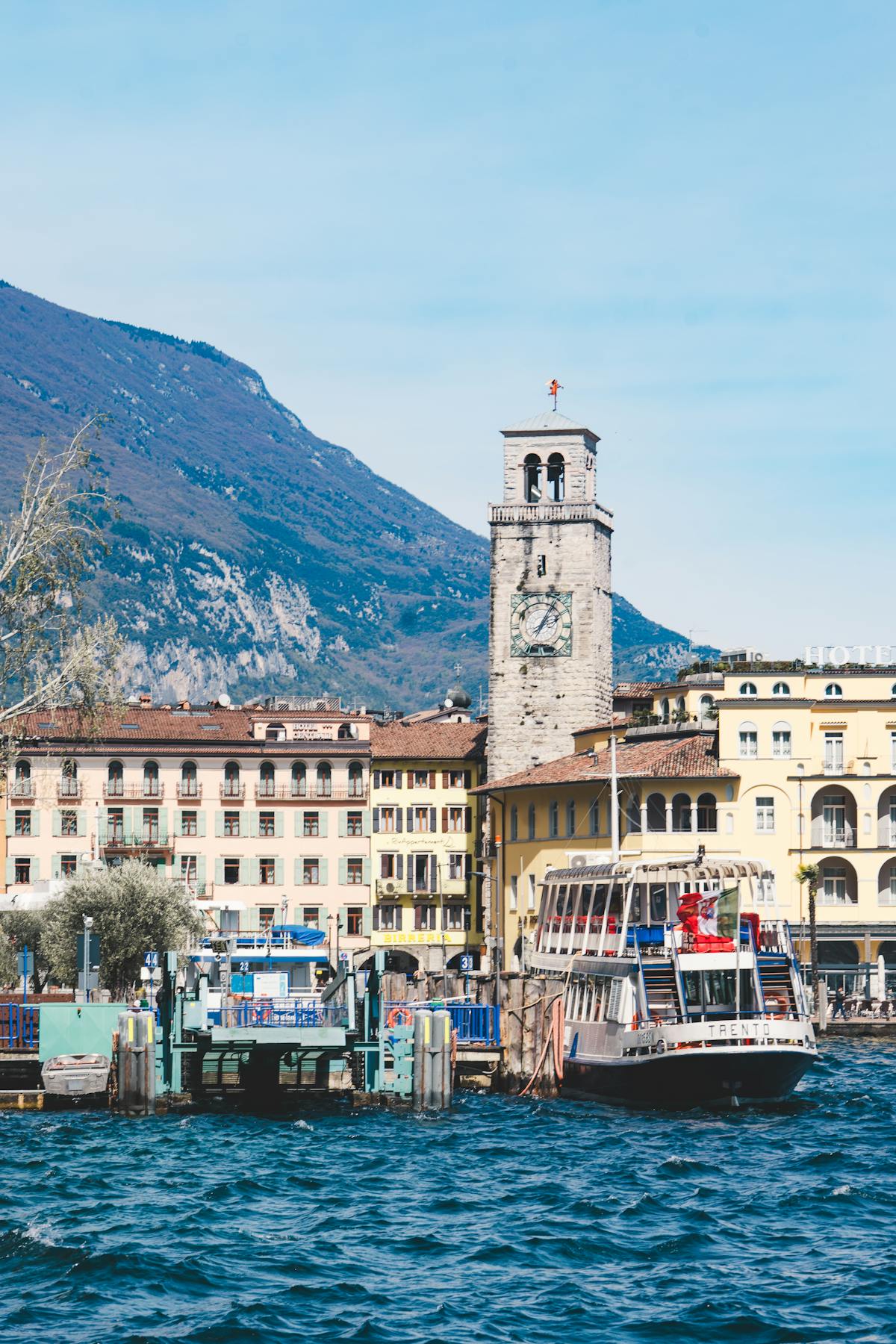
A small white passenger ferry approaching the wooden landing dock at Sirmione

Routes

Local buses and lake ferries: south Garda transit explained

Buses run between Desenzano station and Sirmione's old town every twenty minutes in summer and every forty in winter. The lake ferry connects the southern towns from late spring to early autumn. Here's how the actual schedules work.

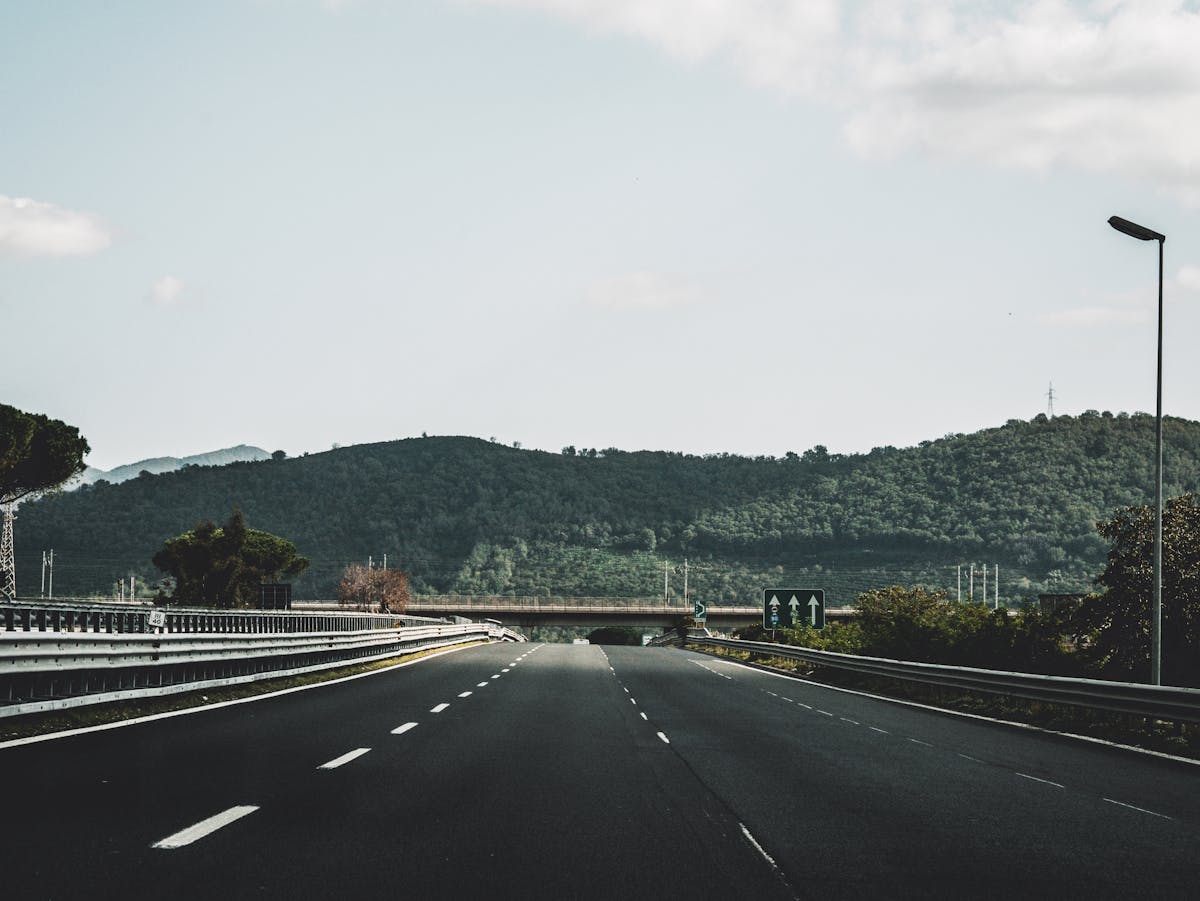
The autostrada A4 corridor heading west from Verona toward the south shore of Lake Garda

Routes

Verona airport to Sirmione: a practical guide for travellers

The drive from Verona airport (VRN) to Sirmione is a straight thirty-five kilometres on the autostrada — about thirty minutes if traffic is normal. The transit options are not all created equal, though, and a few are wildly cheaper than the rest.